Roofing membranes
The protective membrane sales program includes a wide range of specialized membranes for use on buildings and various roof structures.
Membranes play a key role in protecting buildings from weather effects and contribute to a pleasant climate in living spaces. In addition to improving energy efficiency, they provide long-lasting and effective protection of buildings against condensation, water ingress and air overheating.
Types of membranes
A vapor barrier completely prevents moisture from passing through the building structure. This prevents moisture created in the room by various activities from penetrating deeper into the roof layers and insulation and causing condensation. Because a vapor barrier prevents the building from breathing, ventilation is important. With correct installation and proper detailing, the service life of the building is extended.
The main purpose is to prevent the entry of vapor and moisture into the insulation, thereby extending the service life of the insulation itself. Special attention must be paid to detail execution. They reduce heat loss from the building. They are, of course, installed on the inner, warm side of the insulation.
Vapor retarders slow down and control the passage of water vapor through the building structure that borders a heated and unheated space or the outside air. Here too, detail execution is important.
A vapor retarder partially prevents the passage of water vapor. Due to its structure, the membrane still allows the structure to breathe and enables an even passage of water vapor. In this case, vapor can pass into the thermal insulation, which then dries both outward and inward. When installing a vapor retarder, the correct combination of retarder and insulation must be chosen, as only this can improve the climate inside the building.
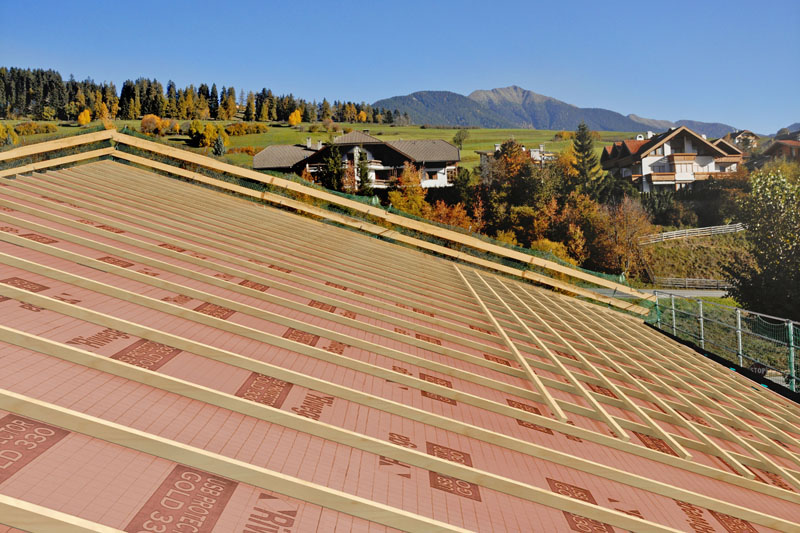
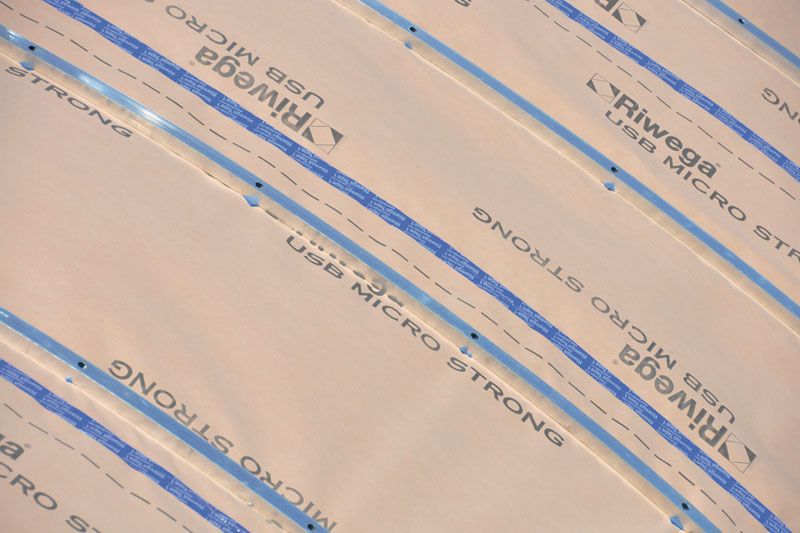
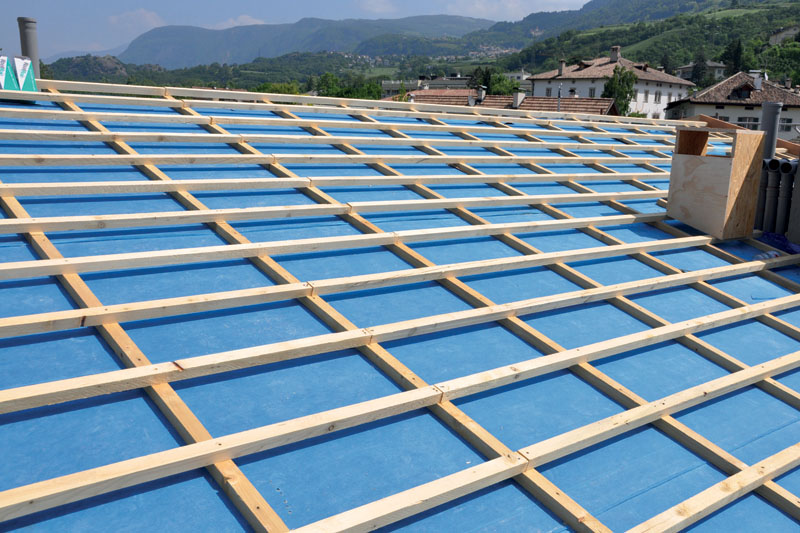
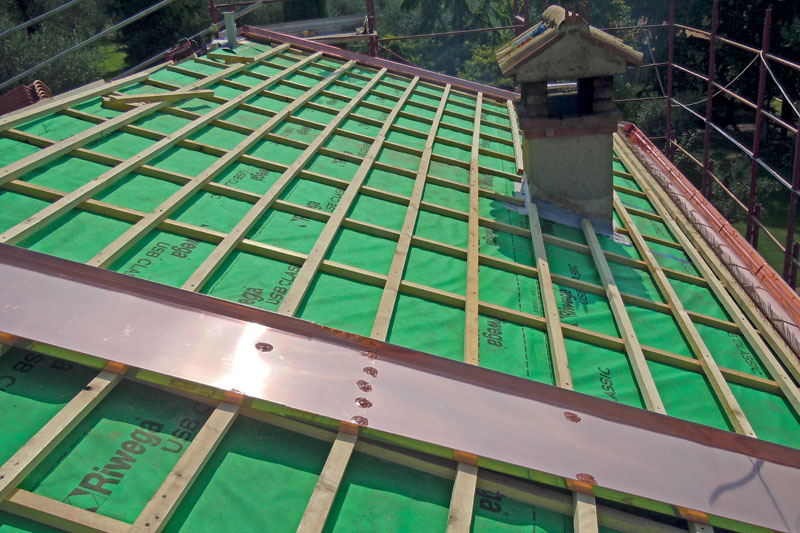
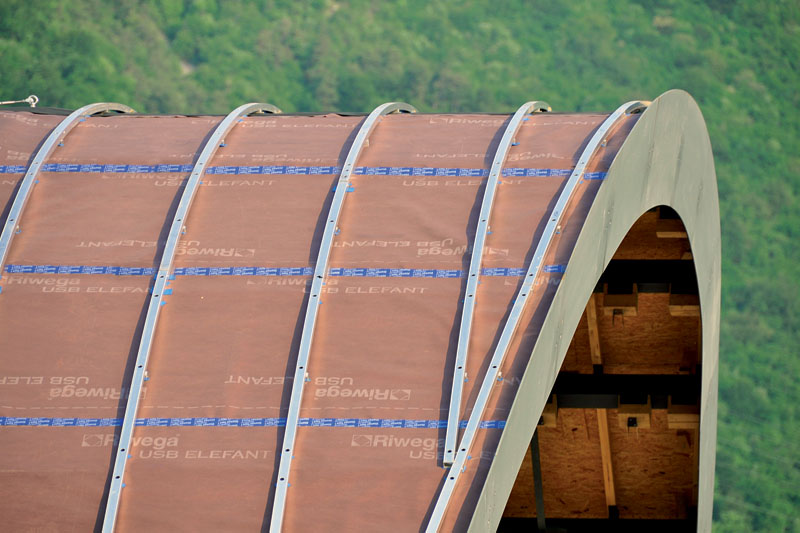
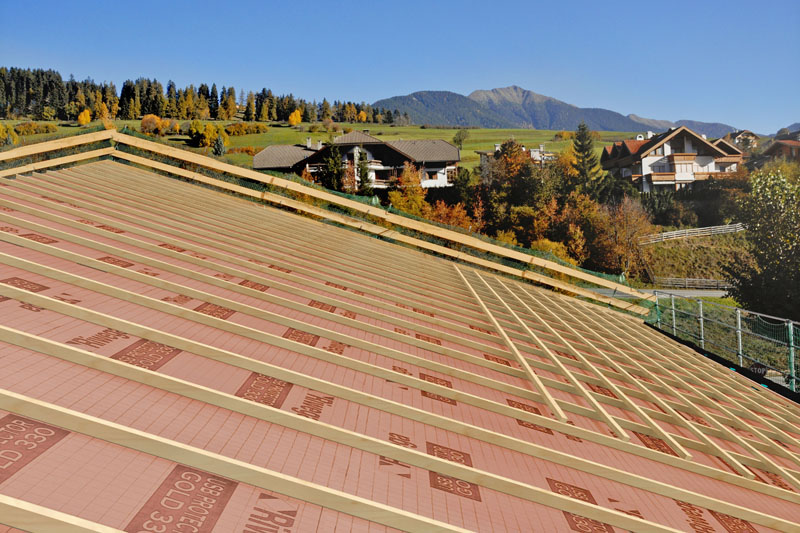
Vapor-permeable roofing membranes play an important role as secondary roofing in protecting roof structures. They protect the thermal insulation and the building itself from moisture that could penetrate beneath the roof covering surface. The basic characteristic of a vapor-permeable membrane is that it allows water vapor from inside the building to pass outward into the ventilated air gap of the roof structure, without compromising the water tightness of the roof structure toward the interior.
They allow water vapor to pass from the thermal insulation. This reduces the possibility of moisture condensation. The vapor permeability of the membrane is important and is indicated by the Sd factor, which should be as low as possible.
UV resistance of the membrane is also important while the roof is still being covered, as well as protecting the house from rain before the final roofing is installed.
Gallery